
Why Your Night Vision Gets Worse with Age (and How to Improve Driving Safety)
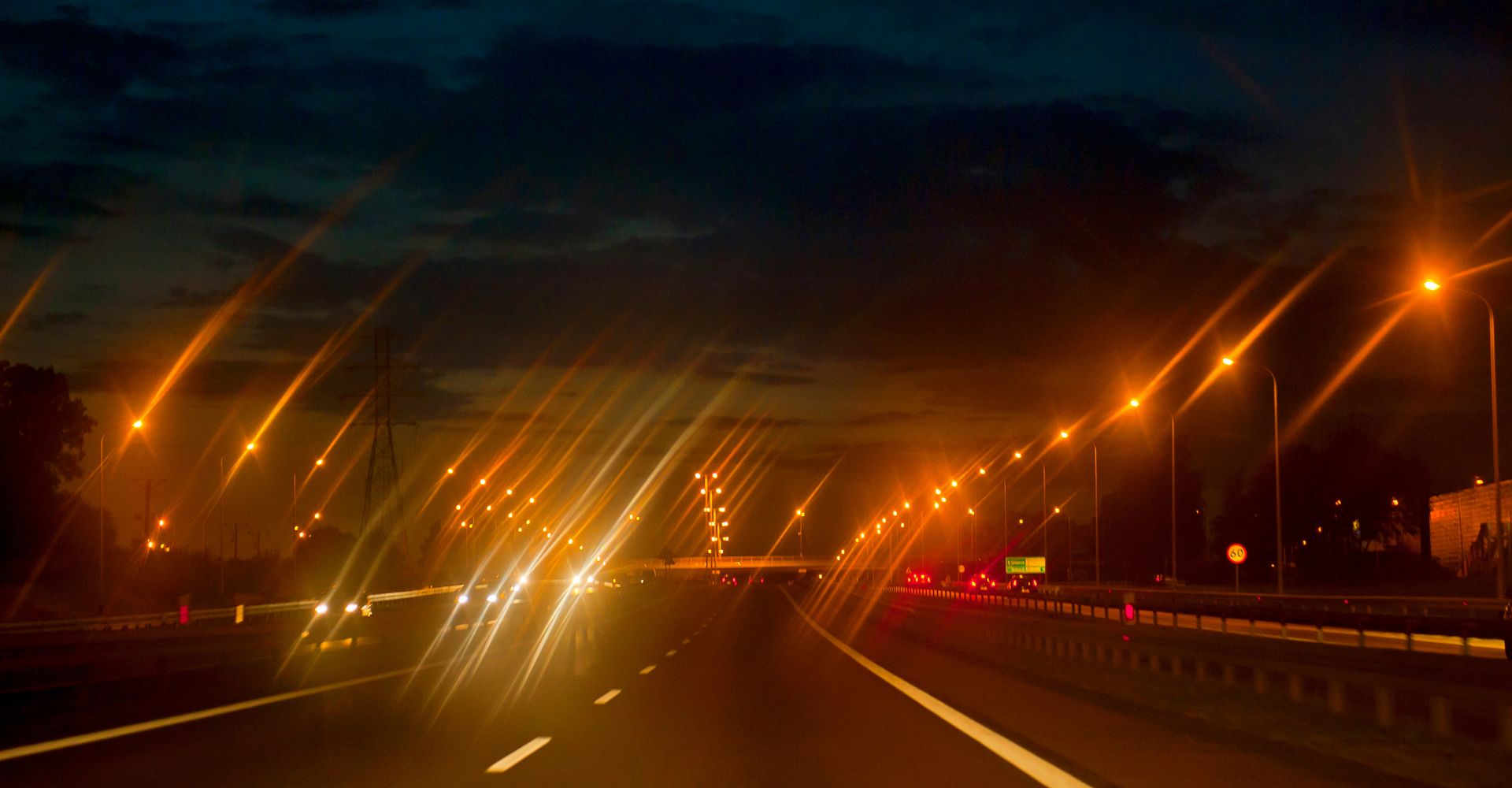
Driving at night can become a serious challenge as we get older, often due to subtle changes in our visual health. At Crescent Eye Care, we recognize that this shift can feel sudden, making nighttime driving less comfortable and more hazardous. Understanding the underlying reasons—from reduced pupil size to changes in the lens of the eye—is the first step toward finding effective solutions. We are here to guide our community to safer vision at night and better overall eye health.
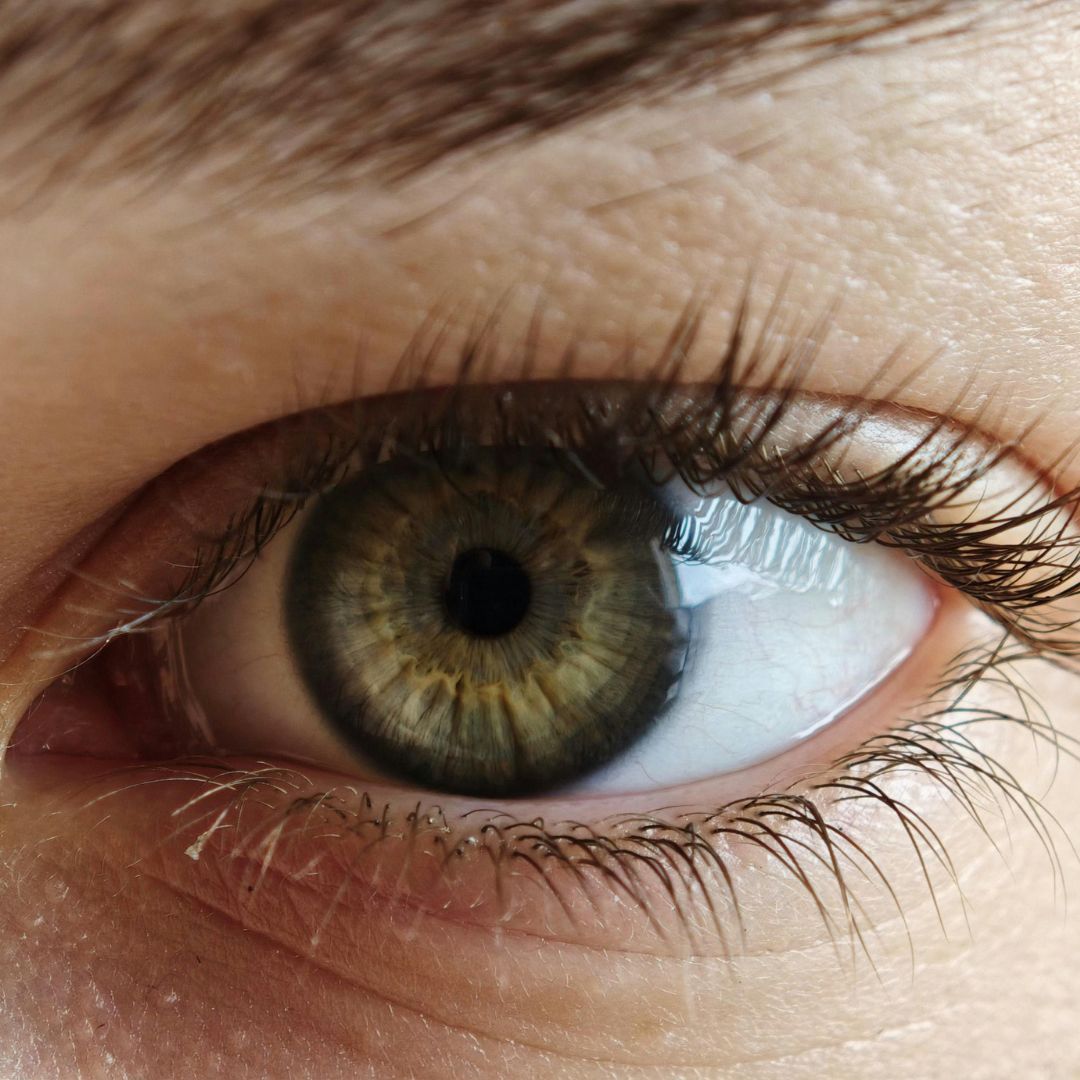
The Natural Decline of Pupil Size and Function
A key factor affecting vision at night is a natural reduction in the maximum size of our pupils, a condition called senile miosis. Because smaller pupils let in less light, we need more external light to see clearly after dark. This means that we lose contrast and depth perception, making it harder for our eyes to adapt to dimly lit roads and to perceive hazards safely.
Increased Light Scatter from the Aging Lens
Over time, the natural lens inside the eye begins to harden and yellow, contributing to cataracts. This change causes incoming light to scatter more, which is why headlights and streetlights produce more glare. This light scatter significantly impacts our ability to see past oncoming traffic, compromising driving safety and the overall quality of our visual health.

The Impact of Age on Retinal Rod Cells
Our retinas contain specialized light-sensitive cells called rods, which are essential for low-light vision. As we age, these rod cells can become less effective and fewer in number, reducing the sensitivity of the entire visual system to low levels of light. This decrease means we take longer to adjust when moving from a bright area to a dark one, a crucial concern for evening driving.
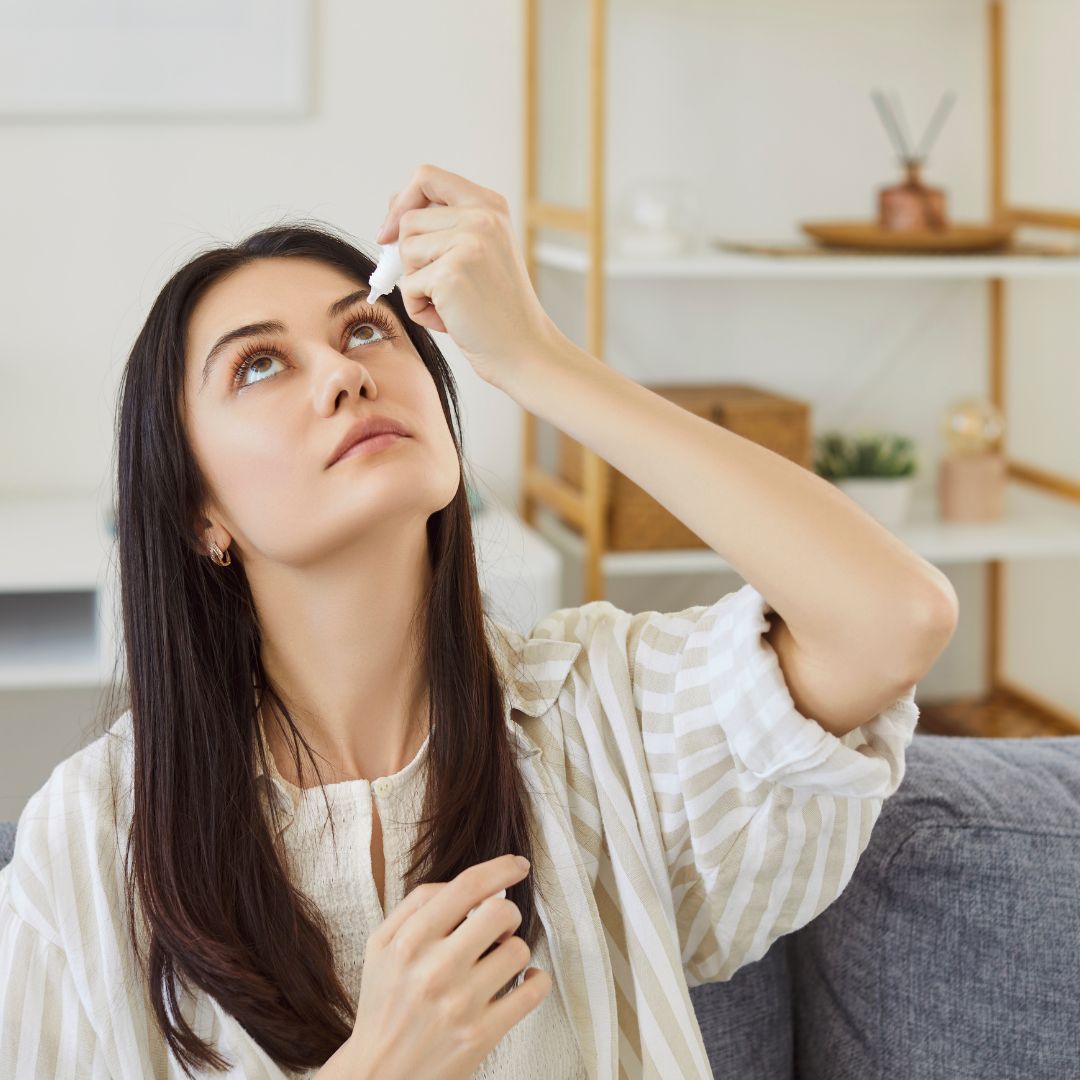
Managing Dry Eyes and Glare Sensitivity
Older adults are often more prone to dry eye syndrome, which can exacerbate the negative effects of glare from bright lights. A dry, compromised tear film can increase light scatter on the surface of the eye, making it difficult to maintain clear, comfortable vision at night. Maintaining optimal eye surface health is a vital part of protecting our ability to drive safely after sunset.
At Crescent Eye Care, we believe that understanding the changes in your eyes is essential for maintaining a high quality of life and safety. If you are experiencing issues with vision at night, our expert optometrist in Charleston can provide a comprehensive exam to assess your eye health and recommend specialized lenses or treatments. We are dedicated to providing the residents of Charleston with modern, personalized care to support their long-term visual health. Call us today to schedule your next exam and see the difference our Charleston optometrist team can make.